Floors experience daily wear from foot traffic, furniture movement, spills, moisture, and regular use. Over time, even high-quality flooring can lose its appearance and show signs of aging. When this happens, many property owners assume replacement is the only solution. However, floor restoration is often a cost-effective and practical alternative.
Understanding the difference between restoration and replacement helps homeowners and businesses make informed decisions while protecting their investment.
Floor restoration focuses on improving and renewing existing flooring. This process may include deep cleaning, polishing, refinishing, sealing, waxing, repairing surface damage, and restoring appearance. Replacement involves removing old flooring entirely and installing new materials.
One of the biggest benefits of restoration is cost savings. Replacing floors can involve material costs, labor expenses, furniture relocation, and project downtime. Restoration usually requires fewer materials and less disruption.
Restoration is often ideal when floors show cosmetic wear rather than structural damage. Scratches, dull finishes, minor discoloration, faded appearance, surface stains, and light damage can frequently be corrected through professional restoration services.
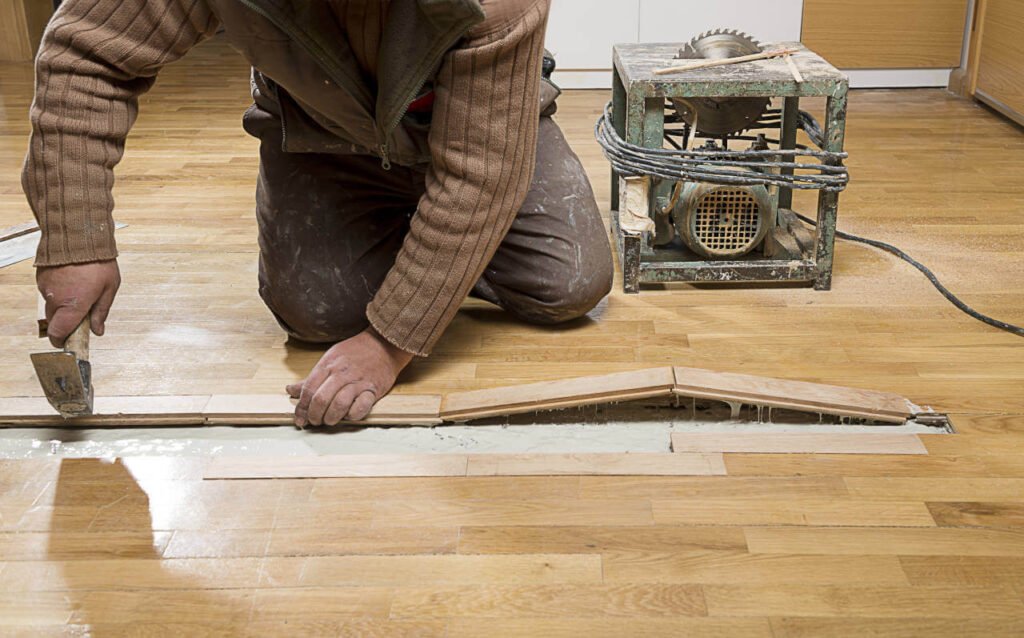
Hardwood floors are one of the most commonly restored surfaces. Over time, wood flooring may become scratched or lose its original shine. Restoration techniques can renew appearance and improve durability without requiring complete replacement.
Tile and grout surfaces also benefit from restoration. Dirt buildup and discoloration can make floors appear old even when the structure remains intact. Professional cleaning and restoration can dramatically improve appearance.
Floor waxing is another effective maintenance solution for certain floor types. A properly applied finish adds protection, improves appearance, and helps reduce future wear.
Commercial properties frequently choose restoration because of reduced downtime. Businesses can often maintain operations more easily compared to full floor replacement projects.
There are situations where replacement may still be necessary. Severe water damage, structural instability, cracked subfloors, extensive mold issues, or deeply damaged materials sometimes require complete removal and installation.
Environmental impact is another factor. Restoring existing floors reduces waste and minimizes the need for new materials, making it a more sustainable option.
Professional evaluation is important before making a decision. Flooring specialists assess condition, material type, wear patterns, and long-term goals before recommending the most effective solution.
Preventive maintenance plays a major role in extending floor life. Regular cleaning, protective coatings, prompt spill removal, and periodic restoration can delay replacement for many years.
Property owners should also consider aesthetics. Restored flooring often provides a refreshed appearance while maintaining original character and design.
Floor restoration delivers practical value by improving appearance, extending lifespan, reducing costs, and minimizing disruption. Instead of assuming replacement is necessary, restoration may provide excellent results.
University Professional Cleaning & Floor Services offers professional floor restoration solutions designed to renew flooring, improve durability, and help properties maintain a clean and polished appearance.